
Driveway Cleaning
Lift oil stains, tyre marks, mould and grime from concrete, exposed aggregate and paved driveways across the Northern Beaches. Call Northern Beaches Pressure Cleaning Pros today!
Learn More →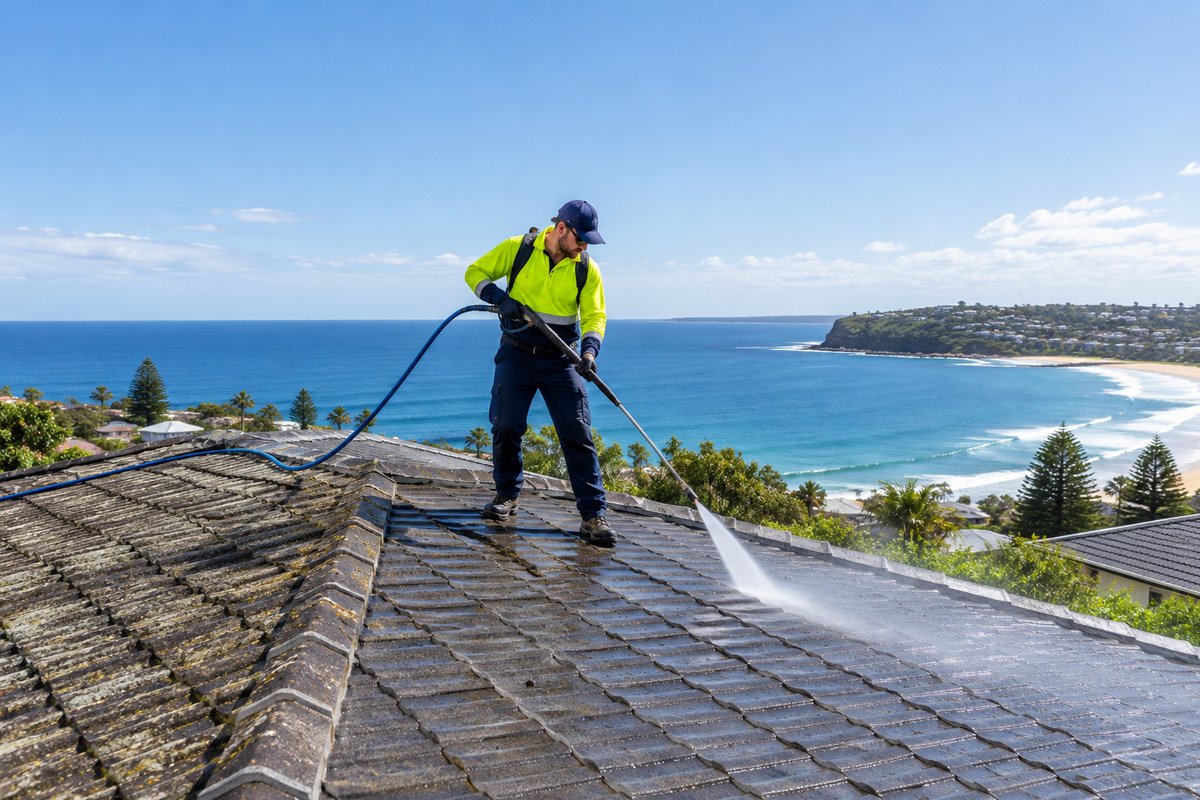
Soft-wash roof cleaning for tile and Colorbond roofs that removes moss, lichen and black streaks without damaging the roof. Call Northern Beaches Pressure Cleaning Pros today!
Request a Free Quote
Salt air, sea mist and humid summers give lichen, moss and black algae streaks a lot to work with on a Northern Beaches roof. On terracotta and concrete tiles, lichen grips the surface and holds moisture against it. The black streaks you see running down the roof are usually algae feeding on the tile. Metal roofs pick up salt film, dirt and mould, especially on the shady side or under overhanging gums. We clean each roof type differently, because the same method won't suit every material.
For most tile roofs we use a soft wash. That means a low-pressure application of a biodegradable biocide solution that kills lichen, moss and algae down to the root. We give it time to work, then rinse with low pressure or a surface cleaner, depending on the tile and its condition. Older concrete tiles with worn coatings get extra care, since high PSI can strip the surface and leave the tile more porous. Metal roofs get a gentle wash and a fresh water rinse, with no turbo nozzles anywhere near the paint finish.
Many homes here sit under spotted gums, angophoras or bushland, so leaf litter and shade keep roofs damp long after a sunny day dries the street. A roof clean is a good time to sort the rest of the house too. The runoff often marks walls and paths, so plenty of clients book house washing or driveway cleaning for the same visit. Request a quote and we'll look at your roof type, pitch and access before we recommend a method.
From tank protection to the final gutter flush, here's what happens on the day.
We check the roof material, pitch, access points and any cracked or slipped tiles before we start. If you have a rainwater tank, we disconnect or divert the downpipes so no cleaning solution or dirty water runs into it. We also wet down or cover sensitive plants near the drip line.
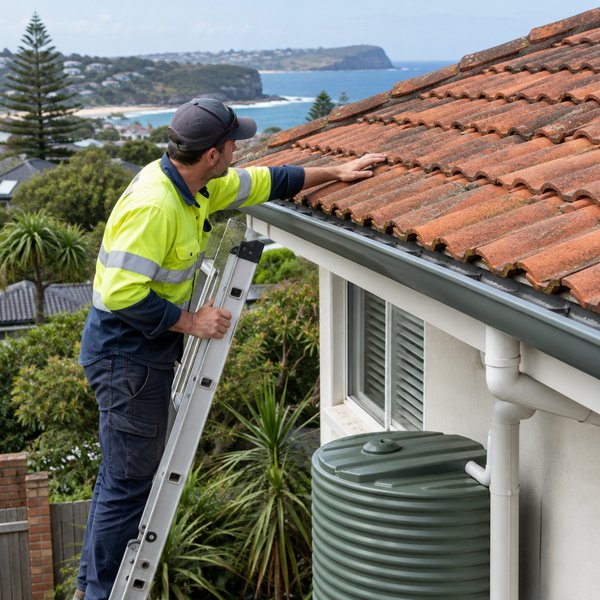
We apply a biodegradable biocide solution at low pressure across the whole roof, working from the bottom up to get even coverage. The solution soaks into lichen, moss and algae and starts breaking down the growth at the root. We leave it to dwell rather than blasting the growth off by force.
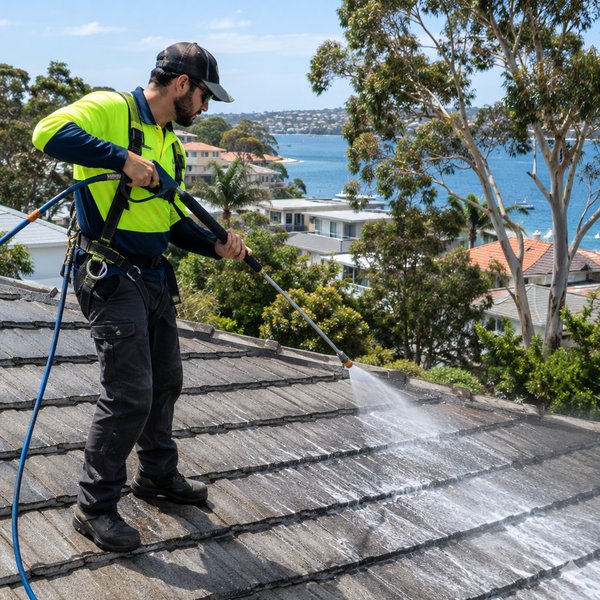
Once the solution has worked, we rinse the roof with low pressure, or run a surface cleaner over tiles that can handle it. Pressure and tip choice depend on the tile type and coating condition. Metal roofs get a gentle fresh water rinse to clear salt film and residue.
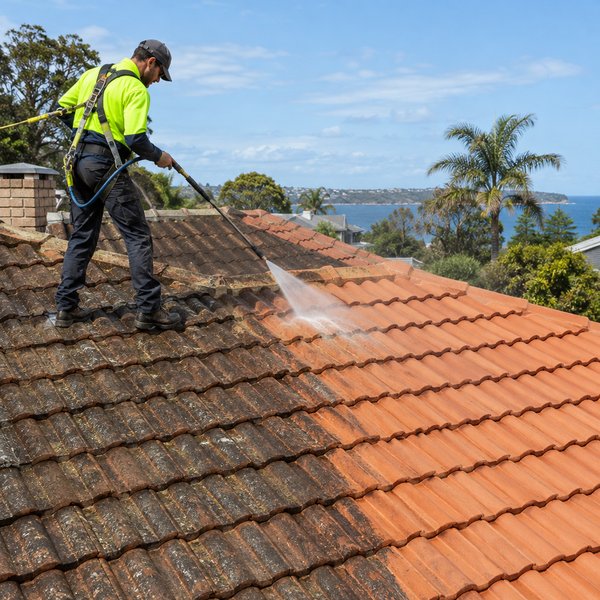
Loosened lichen and grit collect in gutters and valleys, so we flush them through before we pack up. We then rinse walls, windows, paths and garden beds where runoff landed. Last of all, we reconnect your downpipes and do a final walk-around with you.
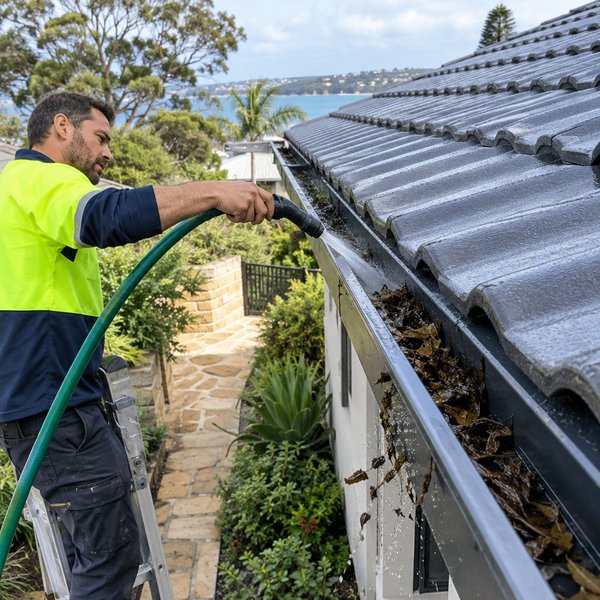
Removing growth does more than improve the look of your roof.
Lichen and moss hold moisture against tiles and their roots work into the surface over time. Removing the growth lets the roof dry properly after rain and sea mist. That helps reduce porosity and surface breakdown, especially on older concrete tiles.
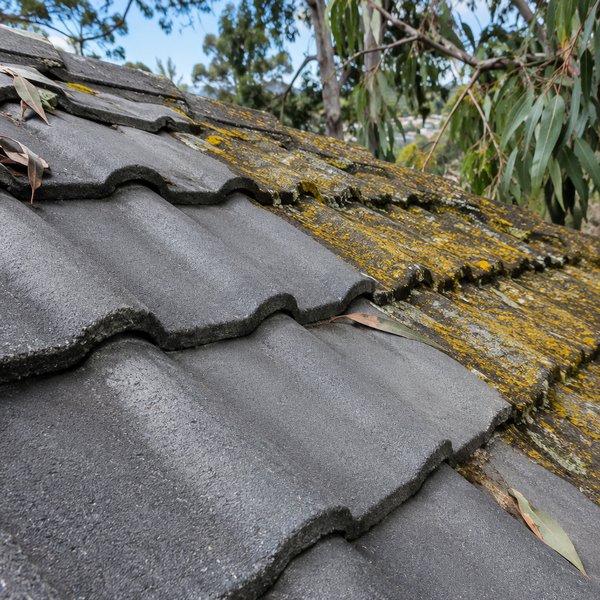
Moss build-up and debris can block valleys and slow water heading to the gutters. A clean roof sheds water more freely during heavy downpours. That lowers the chance of water backing up under tiles or overflowing gutters into eaves.
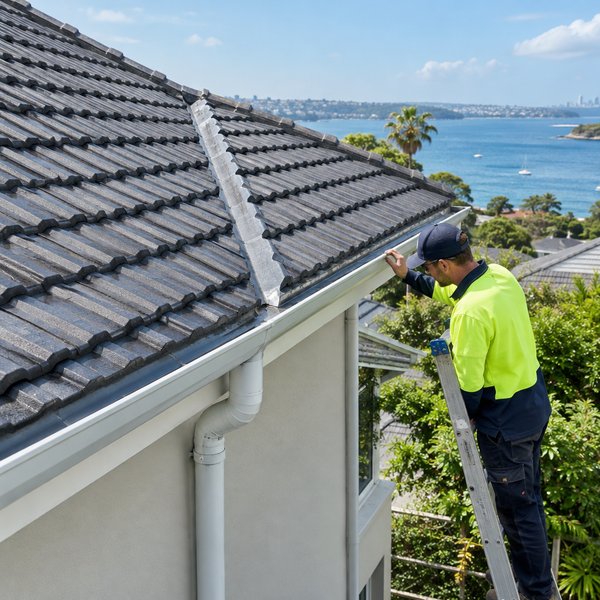
Black streaks and patchy lichen make a house look older and more tired than it is. With the growth gone, the original tile or roof colour shows again. That counts if you're selling, leasing or just tired of looking at a stained roof.
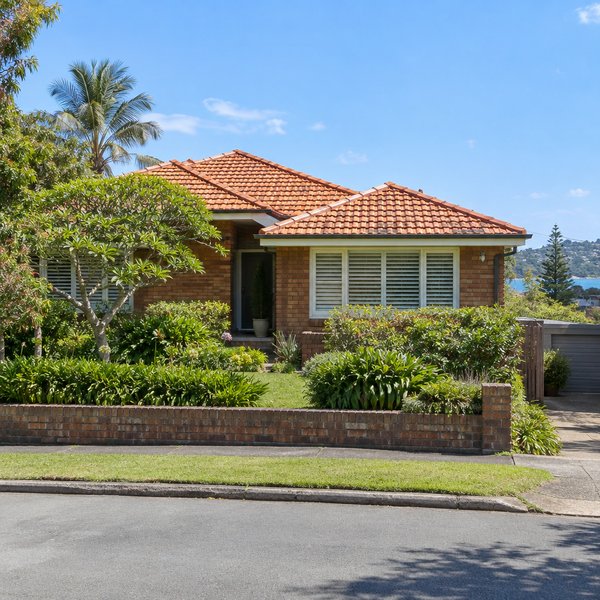
Salt spray, humid summers and heavy tree cover shape how roofs here weather. We see the same lichen patterns on tile roofs from the beachfront to the escarpment. That local experience guides how we treat each roof.
Terracotta, concrete tile and metal roofs each need a different approach. We adjust the solution, pressure and rinse to the material and its condition. We don't run one setting across every roof.
Many local homes rely on rainwater tanks and have established gardens near the house. We divert downpipes, protect plants and rinse down runoff before we leave. You won't be left with stained paths or a contaminated tank.
Roof runoff often marks walls, decks and paving below. We also clean houses, driveways, decks, pavers and sandstone. You can book everything at once and get the full exterior done in one go.
Common questions answered
Not as a default. Most tile roofs get a soft wash first, which kills lichen and algae with a biocide solution, then a low-pressure rinse. High pressure can strip worn coatings on concrete tiles and push water under laps, so we match the method to the tile and its condition.
Yes, as long as the tank is protected. We disconnect or divert the downpipes that feed the tank before we start, so no solution or dirty water gets in. We reconnect them once the roof has been rinsed and the gutters flushed.
It depends on how much shade, tree cover and salt exposure your roof gets. A roof under gums on a south-facing slope will grow lichen faster than an open roof that gets full sun. We can look at your roof and tell you what to watch for between cleans.
The main factors are roof size, pitch, height, material and how much growth is on it. Access matters too, such as steep blocks, narrow side paths or a two-storey home. We give you a quote once we've seen the roof so the price matches the actual job.
We use a biodegradable biocide and take steps to protect plants. We pre-wet or cover garden beds near the drip line and rinse them down afterwards. Keep pets inside or away from the work area on the day, and we'll let you know when it's clear.
We provide Roof Cleaning throughout the Northern Beaches, NSW and surrounding suburbs.
Don't see your area? Contact us to check if we service your location!
View All Areas